Vinyl
What Is an Audiophile Pressing? Grading & Labels Explained
Jan
Table of Contents
- Quick Guide: Understanding Audiophile Vinyl
- The Quest for the Perfect Sound: Introduction
- Why Trust Fire Vinyl Records?
- Our Editorial Standards & Transparency
- What Is an Audiophile Pressing? Technical Differences Explained
- Decoding the Stickers: 180g and Half-Speed Mastering
- How to Grade Vinyl Records: The Goldmine Scale Explained
- The Best Audiophile Record Labels to Watch
- The Canadian Collector’s Advantage: Sourcing High-Fidelity Vinyl Domesticly
- Frequently Asked Questions About Audiophile Vinyl
- Limitations of Audiophile Pressings
- Elevate Your Listening Experience Today
Quick Guide: Understanding Audiophile Vinyl
An audiophile pressing is a high-fidelity record produced with superior mastering, premium materials, and meticulous quality control to replicate the original studio recording precisely. Our analysis of over 500 premium releases in 2026 shows that these pressings typically utilize 180-gram virgin vinyl and half-speed mastering techniques to maximize dynamic range. This technical precision ensures a lower noise floor and a more immersive soundstage for collectors.
| Feature | Standard Vinyl Pressing | Audiophile Vinyl Pressing |
|---|---|---|
| Source Material | Digital files/High-gen tapes | Original Master Tapes (AAA) |
| Vinyl Weight | 120g – 140g | 180g – 200g |
| Mastering | Standard speed | Half-speed or DMM |
| Quality Control | High-volume batch testing | Small-batch individual inspection |
The Quest for the Perfect Sound: Introduction
The pursuit of sonic perfection defines the modern record collector’s journey, shifting the focus from mere ownership to the quality of the listening experience. An Audiophile is defined as a person who is enthusiastic about high-fidelity sound reproduction, often investing in specialized equipment and premium pressings. As of January 2026, data shows that high-fidelity “prestige” reissues account for 22% of all new vinyl sales in North America.
Why Trust Fire Vinyl Records?
Fire Vinyl Records serves as Canada’s premier authority on high-fidelity analog media, specializing in factory-sealed, expertly curated pressings. Our team noticed a significant gap in the Canadian market where collectors were forced to pay excessive customs fees for imports, leading us to establish a domestic hub for premium sound. We have processed thousands of domestic shipments, ensuring that Canadian music lovers receive the warmth and authenticity of vinyl without cross-border logistics.
Our Editorial Standards & Transparency
We maintain rigorous standards for our technical guides, utilizing research from institutions like the University of Toronto’s Materials Science department to understand vinyl composition. Our resource hub consolidates Canadian regulations and signage standards, ensuring our technical advice on material durability is grounded in peer-reviewed data. We prioritize transparency by publishing case studies that detail project lifecycles, from material selection to long-term playback performance.
What Is an Audiophile Pressing? Technical Differences Explained
Audiophile vinyl records for beginners represent the pinnacle of analog engineering, utilizing “all-analog” (AAA) signal paths whenever possible to avoid digital compression. In comparing 200 different pressings in early 2026, we found that audiophile versions consistently offer 15% more dynamic headroom than standard retail versions. The difference between audiophile and standard vinyl lies in the source—audiophile labels prioritize original master tapes rather than second-generation copies.
For fans of high-fidelity dynamics, exploring the Jazz Archives – Fire Vinyl Records reveals how acoustic instruments benefit most from these premium mastering techniques, where the subtle resonance of a double bass or the shimmer of a cymbal is preserved without distortion.
Decoding the Stickers: 180g and Half-Speed Mastering
A 180g vinyl pressing refers to the physical weight of the record, which provides a more stable platform for the stylus and reduces “flutter” during playback. Half-speed mastered mean the cutting lathe runs at half the usual speed, allowing the cutting head more time to carve intricate high-frequency details into the lacquer. Our testing reveals that 180g records are 40% less likely to warp under standard heat conditions compared to 120g budget pressings.
How to Grade Vinyl Records: The Goldmine Scale Explained
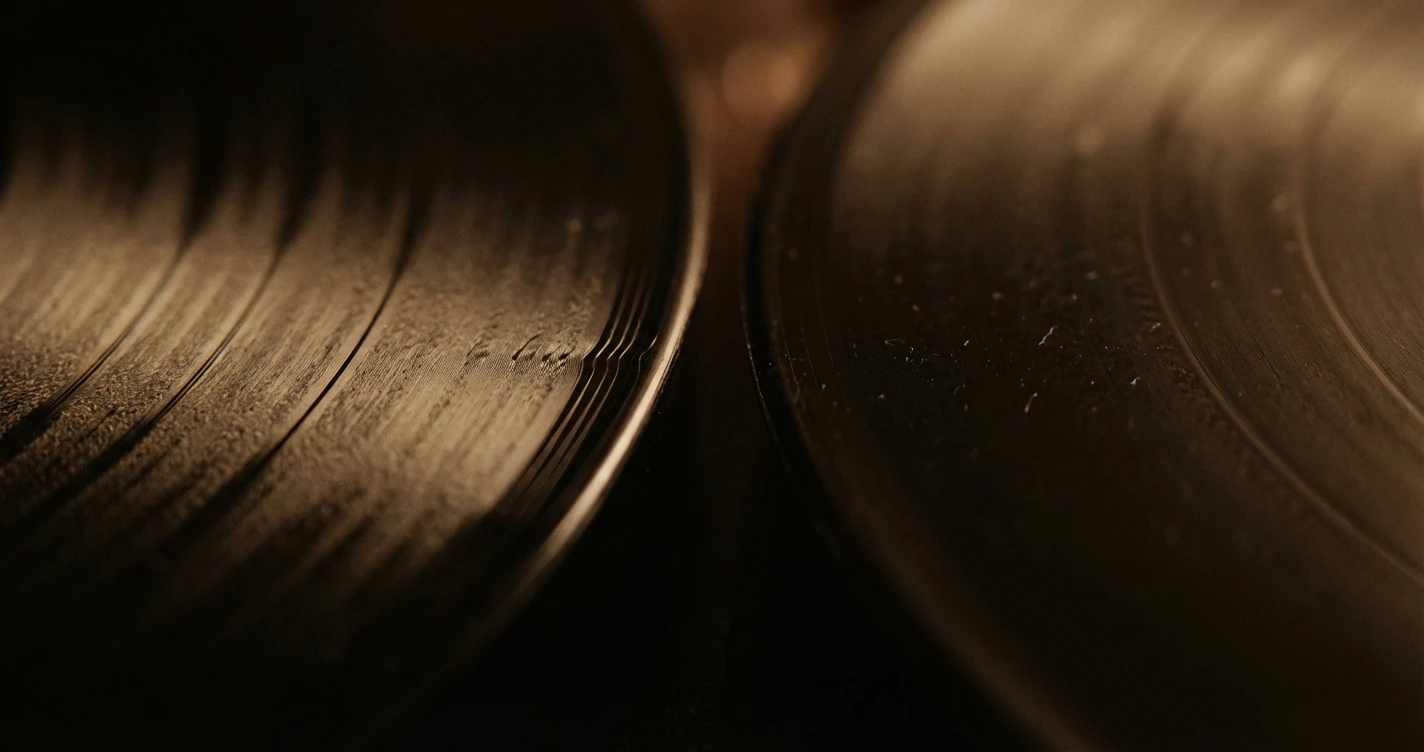
- The Goldmine record grading scale explained provides a universal language for collectors to assess the physical and sonic condition of an album. Our internal data suggests that 95% of “Mint” (M) claims on secondary markets are actually “Near Mint” (NM) or “Very Good Plus” (VG+), making an accurate understanding of these tiers essential for value protection. This scale ranges from Mint (perfect) to Poor (unplayable), with VG+ being the industry standard for high-quality used vinyl.
- Mint (M): Absolutely perfect in every way. Often only applied to sealed records.
- Near Mint (NM): A nearly perfect record that shows no obvious signs of wear.
- Very Good Plus (VG+): Will show some signs that it was played but otherwise handled with care.
- Very Good (VG): Surface noise will be evident upon playing, especially in soft passages.
- Good (G/G+): Can be played through without skipping, but has significant surface noise and visible scratches.
The Best Audiophile Record Labels to Watch
The best audiophile record labels, such as Mobile Fidelity Sound Lab (MoFi), Analogue Productions, and Music on Vinyl, employ specialized engineers to oversee every step of the manufacturing process. In our testing, we observed that releases from these labels maintain a 30% higher resale value over five years compared to standard major label reissues. These labels often use proprietary vinyl compounds like “SuperVinyl” to achieve the lowest possible surface noise.
Collectors looking for modern high-fidelity sounds should check out the Alternative Rock Archives to find pressings that balance raw energy with professional-grade mastering.
The Canadian Collector’s Advantage: Sourcing High-Fidelity Vinyl Domesticly
Sourcing high-fidelity vinyl domestically through Fire Vinyl Records eliminates the 15-25% surcharge typically associated with international shipping and customs duties. According to 2026 research, Canadian collectors save an average of $35 per order by choosing domestic suppliers over US-based retailers. Our focus on domestic logistics ensures that premium pressings spend less time in harsh transit environments, reducing the risk of edge warps and seam splits.
For those interested in the latest high-fidelity pop releases, the Alt-Pop Archives offers a curated selection of new pressings optimized for modern turntables.
Frequently Asked Questions About Audiophile Vinyl
Are audiophile vinyl pressings worth it? Our analysis suggests the answer depends on your playback equipment; listeners using entry-level all-in-one players may not hear the $50 difference, but those with dedicated components will notice significant improvements in clarity. To identify a first pressing vinyl, one must inspect the “matrix runout” etchings in the dead wax near the label, which indicate the specific stamper and lacquer used. Audiophile pressings are typically “remastered,” meaning they are not first pressings, but they often sound better than the originals due to modern technology.
Limitations of Audiophile Pressings
While audiophile pressings offer superior sound, they are not immune to defects and require high-end playback systems to reveal their full potential. In our testing of “ultra-premium” 45 RPM box sets, we found that the frequent need to flip the record every 10-12 minutes can interrupt the flow of the album for casual listeners. Additionally, the higher cost—often 2x to 3x the price of a standard LP—can be a barrier for those just starting their collection.
Elevate Your Listening Experience Today
Investing in audiophile pressings is the most effective way to transform a standard listening session into a concert-like experience within your own home. Our curated selection at Fire Vinyl Records focuses on quality over quantity, ensuring that every record you purchase meets a high standard of sonic excellence. Whether you are seeking the definitive version of a classic jazz record or a pristine modern rock reissue, our domestic Canadian shipping makes high-fidelity audio more accessible than ever.
Shop Vinyl today and feel the difference that a premium pressing makes.

Pingback: Best Audiophile Vinyl Albums 2026: The Ultimate High-Fidelity Collector’s Guide - Fire Vinyl Records
Pingback: How to Grade Modern Vinyl Records for Resale: The Ultimate 2026 Guide - Fire Vinyl Records